Signal 01
Leadership behaviour is not shifting
Development has happened, but the same patterns keep returning.
May point to trust, feedback, accountability or unclear expectations.

Organisations are rarely as tidy as their websites suggest.
We help you work out what’s really going on, not just what appears to be the problem.
Over 30 years’ consulting experience · Executive coachingOver 30 years’ consulting experience · Executive coaching
Who this is for
The problem you’re asked to solve is not always the problem you’ve got.
This work is for CEOs, MDs, HR directors, senior leaders and leadership teams who need to understand what is really happening before deciding what to do next.
Development has happened, but the same patterns keep returning.
May point to trust, feedback, accountability or unclear expectations.
People are polite in the room, then clearer afterwards.
May point to trust, challenge, role clarity or avoided conversations.
There is communication, process and effort, but progress still feels fragile.
May point to involvement, alignment, fatigue or hidden resistance.
The candidate looks strong on paper, but fit, context or working relationship need deeper exploration.
May point to role clarity, stakeholder alignment, leadership style or onboarding risk.
Services
Four practical routes into the same work: understanding what is really happening, then designing the right response.
We help people recognise what they need to do to be successful, then guide and support them as they put new approaches into practice.
Can include psychometrics, 360 feedback, targeted development modules and one-to-one coaching.
We help teams work through their issues, agree common ways of working, set boundaries and align behind a common purpose.
Useful when trust feels uneven, conversations happen after meetings, or collaboration across functions has become strained.
We help leaders stop, step back and build practical approaches to change that people can understand, support and sustain.
Useful when change creates activity but little movement, or when systems and incentives quietly restore old behaviour.
We use well-established, professionally recognised psychometrics to help hiring managers and candidates explore fit, working style, strengths, risks and the relationship they will need to build.
Can include role profiling, psychometric assessment, structured behavioural insight and onboarding support.
The core idea
The presenting issue is often not the real issue. Slow decisions, strained trust, change fatigue and recurring performance problems are usually signals of something deeper.
So the starting point is always the same: understand what is actually happening before recommending what to do about it.
Most organisations have a version of themselves they would quite like to be true.
Version one
This is the organisation shown in:
Version two
This is the organisation people sincerely think they are in:
Version three
This is the organisation revealed by:
The gap is the distance between these three versions of the same organisation — and it is where the real work sits.
The work starts when leaders are willing to look at all three: what the organisation says, what people inside sincerely believe, and what everyday behaviour keeps revealing.
About
Andrew leads the practice, bringing senior judgement, psychological insight and practical organisational experience to every assignment.
“I’m less interested in arriving with a ready-made answer than in understanding what is actually happening. Often the most useful clue is the thing everyone has noticed but nobody has quite put into words yet.”
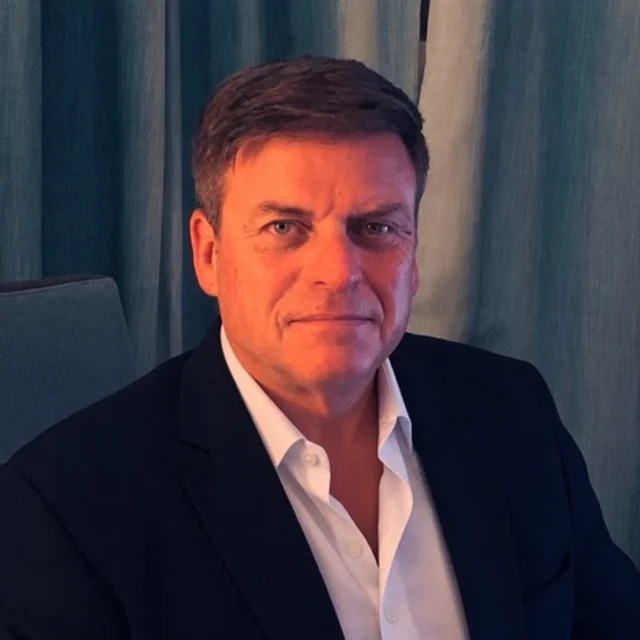
Andrew is a highly experienced leadership and team development consultant and executive coach. He combines psychometrics, 360 feedback, coaching and practical facilitation to help leaders and teams understand what is really happening and what needs to change.
His work is practical, evidence-based and psychologically informed, grounded in real organisational experience rather than generic models.
“More than anything else, I enjoy helping people improve their lot. That usually means understanding what is really happening before deciding what ought to be done about it.”
Experience and credentials
Over 30 years’ consulting experience
BPS-certified psychometrics
Executive coaching and coach supervision
Leadership, team, change and senior selection
Cross-sector experience
In the room
Senior work only goes well if people are willing to say what they actually think. The feedback below is from clients and programme participants across financial services, technology, engineering and other sectors.
“Having worked for many years in leadership and management positions I can honestly say that this has been the most engaging, valuable, and impactful programme I have participated in.”
Operations Director, Industrial engineering firm
“No business-speak, and full of practical examples and chances to practise.”
Programme participant, management development programme
“It was open, honest and thought-provoking, with an atmosphere where people felt comfortable contributing.”
Programme participant, culture and feedback module
“Andrew has been retained by us for 8 years and, as a coach and facilitator, is a highly valued part of our business.”
HRD, Investment bank
Signature thinking
The gap has a cost.
The Discretionary Effort Curve shows what happens when the gap between promise and experience grows.
At first, people bridge that gap with goodwill. They keep contributing, adapting, solving problems and offering ideas.
But if the gap keeps growing, they begin to withdraw the effort that cannot be demanded: honesty, initiative, creativity, courage and emotional commitment.
People do not stop caring all at once. They withdraw effort in stages.
Diagnostic Tools
If you are not ready for a conversation yet, these short diagnostics can help you reflect on where the issue may really sit.
Reflect on whether leadership behaviour is helping or hindering clarity, trust and effort.
Explore trust, challenge, clarity and accountability across your team.
See where a planned change may be strong, fragile or at risk before committing further.
Surface the quiet risks around a specific senior appointment before the decision is made.
Questions
Ethic Eyes provides leadership development, team development, change support and senior selection, supported by psychometrics, 360 feedback and executive coaching. The work starts by understanding what is really happening beneath the surface before designing practical support.
We work with CEOs, MDs, HR directors, senior leaders and leadership teams where leadership, team performance, change or senior appointments carry real consequences.
The work looks beyond the presenting issue. A leadership problem may be a trust problem, a team problem may be a conversation problem, and a change problem may be an involvement problem. The aim is to understand the real issue before choosing the response.
Yes, where useful. Psychometrics and 360 feedback can provide insight into leadership style, behaviour, preferences, impact and development priorities. They are used to support judgement and conversation, not to replace them.
The first conversation explores the context, what has already been tried, what success needs to look like and whether the right next step is leadership development, team development, change support, senior selection insight or a focused diagnostic review.
Get in touch
If something here reflects what is happening in your organisation, you can contact Andrew to explore the context and agree a sensible next step.